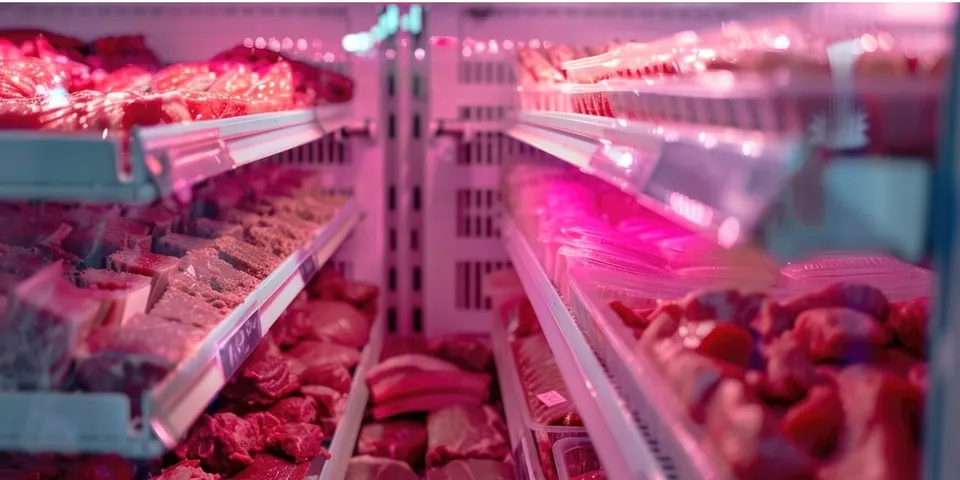
More than 110 people have been arrested in China for selling pork from diseased animals. The Public Security Ministry said more than 1,000 tons of contaminated pork and 48 tons of cooking oil produced from the meat have been seized across 11 provinces. The investigation reportedly began at the end of 2013 into producers who have been buying pigs that died from diseases at low prices for years with the help of government livestock insurance agents. The ministry said that the seized products were valued at more than 100 million yuan ($16 million) and that 75 suspects have already been prosecuted. China is no stranger to food scandals. In January 2014, the Chinese branch of Walmart super stores issued a recall of donkey meat products after some of it was found to contain fox DNA. In 2013, more than 10,000 dead pigs were found floating down a river in Shanghai that supplies tap water to the eastern Chinese city.
The News Desk team at Food Safety News covers breaking developments, regulatory updates, recalls, and key topics shaping food safety today. These articles are produced collaboratively by our editorial staff.
Audits in France and Germany have found meat controls are generally effective but there is room to improve approval procedures and follow-up of non-compliances, according to recently released
A former contractor has admitted offenses relating to faking food safety inspections in England.
Lily Yirenkyi was appointed as a temporary Environmental Health Officer (EHO) by Thurrock Council in 2020.
As part of its enforcement activities, the Food and Drug Administration sends warning letters to entities under its jurisdiction. Some letters are not posted for public view until weeks or
The revocation of the use of Citrus Red No. 2 by the FDA will have virtually no impact because industry abandoned the use of the substance several years ago.
Indus Foods LLC, doing business as Gangothri Foods, an Austin, TX, firm, is recalling 1,626 pounds of ready-to-eat (RTE) pickled goat and chicken products that were produced
The Better Bakehouse Snack Company is recalling certain lots of Donutful Chocolate Dipped Vanilla Cake Donuts because the product may contain undeclared milk.
People who have an allergy or severe
Exotique Foods Inc. of Ontario, Canada, is recalling Momchipz Veggie Chips Broccoli Florets & Cauliflower because they may contain undeclared wheat.
People who have an allergy or severe sensitivity to
A former contractor has admitted offenses relating to faking food safety inspections in England.
Lily Yirenkyi was appointed as a temporary Environmental Health Officer (EHO) by Thurrock Council in 2020.