Editor’s Note: This is the fifth installment in a ten-part series on meaningful foodborne illness outbreaks.
It would be hard to over-estimate the impact of this outbreak. Food companies that previously just purchased ingredients from low cost providers were put on notice that they would be doing so at their own risk. Tiny Peanut Corporation of America, which represented 2.5 percent of the peanut purchasing industry at most, sold its peanut butter and paste to the entire phone book of food companies. Its bad behavior would force the recall of more than 3,900 products by other companies. Loss estimates run well over a $1 billion. How did this happen? Here’s how:

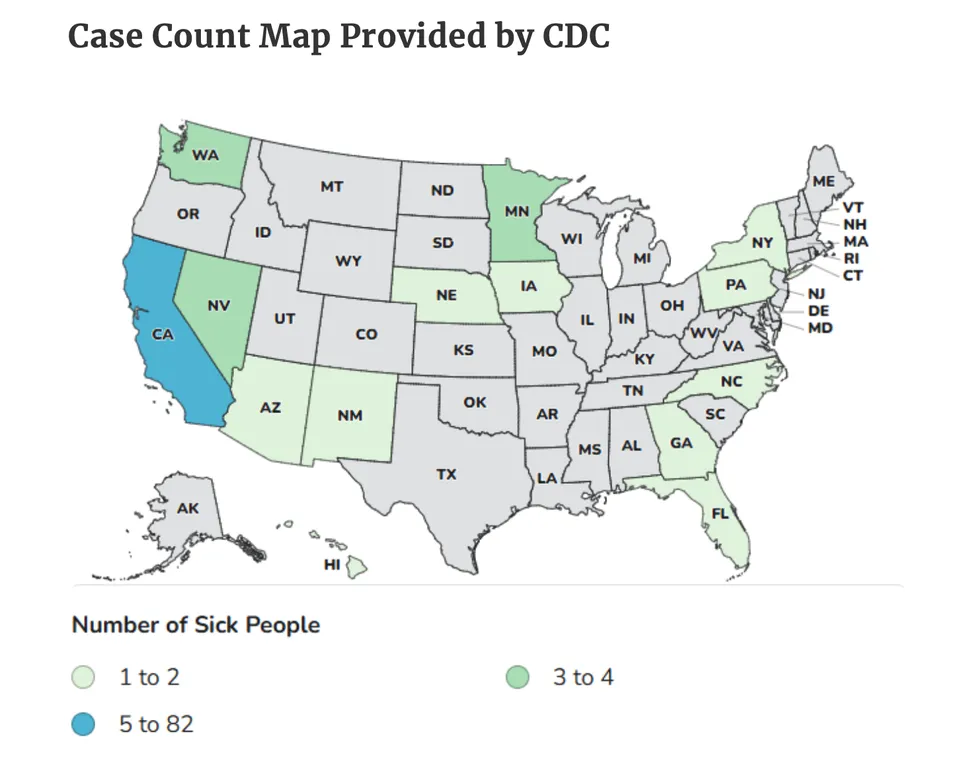
At least 714 people in 46 states were confirmed ill with Salmonella Typhimurium infection after consuming peanut and peanut butter products produced by Peanut Corporation of America (PCA) in 2008 and 2009. The Minnesota health department first listed a product advisory on January 9, 2009, when the presence of Salmonella was detected in King Nut peanut butter.
The outbreak strain of Salmonella was then traced to the Peanut Corporation of America’s Blakely, GA processing facility. Recalls began with commercially distributed peanut butter, but the list of recalled products quickly grew to include over 3900 products made with peanut butter and peanut paste produced by PCA in the Blakely, GA and Plainview, TX facilities since January 1, 2007. PCA declared Chapter 7 bankruptcy in February of 2009.