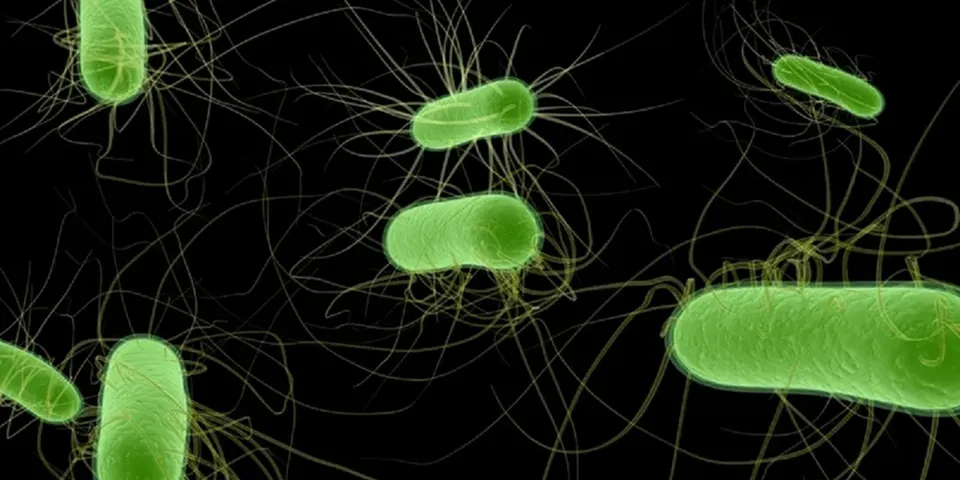
An additional six cases of E. coli have been linked to burgers eaten at the Glasgow Hydro arena, bringing the total number ill to 21. The cases first began appearing several weeks ago. Some attendees who ate burgers at the arena between Jan. 17 and Jan. 19 have fallen ill with symptoms of E. coli O157:H7 infection, which includes diarrhea, stomach cramps and nausea. Health officials are asking anyone who attended events at the arena within those three days and then fell ill with similar symptoms to contact a healthcare provider to record their case. All of those who fell ill are recovering at home by this point. Investigators have not conclusively linked the illnesses to the burgers, but they said that burgers appear to be the most likely source of infection.
The News Desk team at Food Safety News covers breaking developments, regulatory updates, recalls, and key topics shaping food safety today. These articles are produced collaboratively by our editorial staff.
French authorities are investigating the death of a woman who consumed dried mushrooms.
At the start of November, health officials were notified about the death of a patient following a
This is part 1 of a 3-part series.
An unlicensed meat producer and poor hygiene at a restaurant played a role in a Salmonella outbreak in an Australian state,
Almost 500 people were sick in a major E. coli outbreak in Germany in 2025, according to recently released figures from a regional State Office for Health and Social Affairs.
Fresh & Ready Foods LLC of Renton, WA, is recalling 2,414 of Fresh To You Sausage, Egg & Cheese Biscuit Sandwiches because they have the potential to be contaminated
A California pumpkin patch and petting zoo associated with an outbreak of E. coli O157:H7 infections reopened Nov. 6 with the owners saying environmental tests for the pathogen had
The USDA’s Food Safety and Inspection Service (FSIS) is issuing a public health alert for frozen, not ready-to-eat (NRTE), meat and poultry products because of misbranding and
The Food and Drug Administration uses import alerts to enforce U.S. food safety regulations for food from foreign countries. The agency updates and modifies the alerts as needed.
Recent