The Louisville Metro Health Department has linked three cases of E. coli reported in Louisville and Indiana through genetic fingerprinting. All three victims reportedly visited Huber’s Orchard and Winery in Borden, IN, between Sept. 20 and 28, but a statement released by the facility last week indicated that an inspection of their food by the Clark County Health Department found no connection. The Indiana State Department of Health and the Indiana Board of Animal Health have now taken over the investigation of the outbreak. Symptoms of E. coli infection typically include stomach cramps, diarrhea, vomiting and fever. Severe illnesses may develop hemolytic uremic syndrome, a potentially fatal kidney disease.
The News Desk team at Food Safety News covers breaking developments, regulatory updates, recalls, and key topics shaping food safety today. These articles are produced collaboratively by our editorial staff.
Authorities in Lithuania are investigating two cases of foodborne botulism linked to fish sold at a market.
The State Food and Veterinary Service (VMVT) conducted an inspection at a market
Parents in Arizona are reporting that their children became infected with E. coli after interaction with animals at the Arizona State Fair petting zoo.
A non-profit group that works
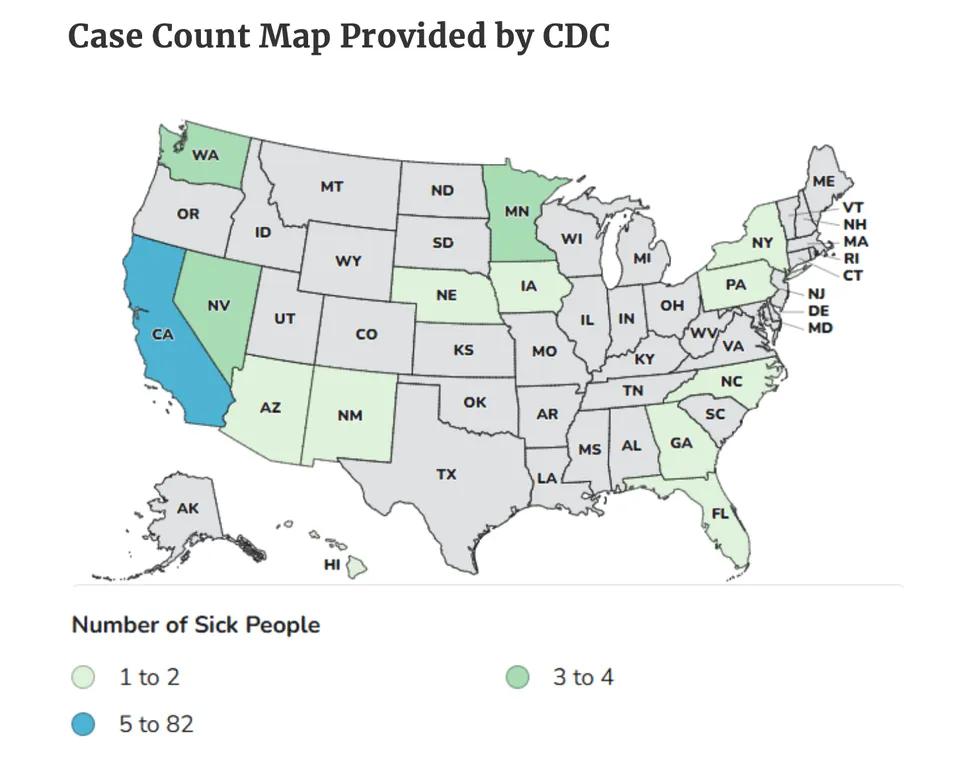
A Salmonella Enteritidis outbreak traced to eggs that sickened more than 100 people has been declared over by the Centers for Disease Control and Prevention.
There were 105 confirmed patients
In the past, physical damage or defects — such as those caused by machines, freezes or pests — were typically viewed separately from food safety risks.
On Oct. 28, the China International Food Safety & Quality Conference (CIFSQ) opens in Shanghai for its 20th year. It will honor Bill Marler as a Distinguished Contributor.
Marler is
As part of its enforcement activities, the Food and Drug Administration sends warning letters to entities under its jurisdiction. Some letters are not posted for public view until weeks or
Results from a study in Italy could help explain why Campylobacter jejuni colonizes the intestines of chickens without causing major symptoms.
Campylobacteriosis is the most frequent bacterial cause of illness