
Food safety investigators report that they have found the source of botulism that contaminated ByHeart infant formula and sickened more then 50 babies across the country.
In statements late Friday afternoon, both the Food and Drug Administration and the Centers for Disease Control and Prevention reported that the outbreak strain of the Clostridium botulinum toxin had been found in an ingredient. The manufacturer of the powdered milk ingredient was not named by either agency.
As of the most recent patient count update on Dec. 10, there have been no new cases confirmed. A total of 51 babies have been sickened in the outbreak. All of them have required hospitalization.
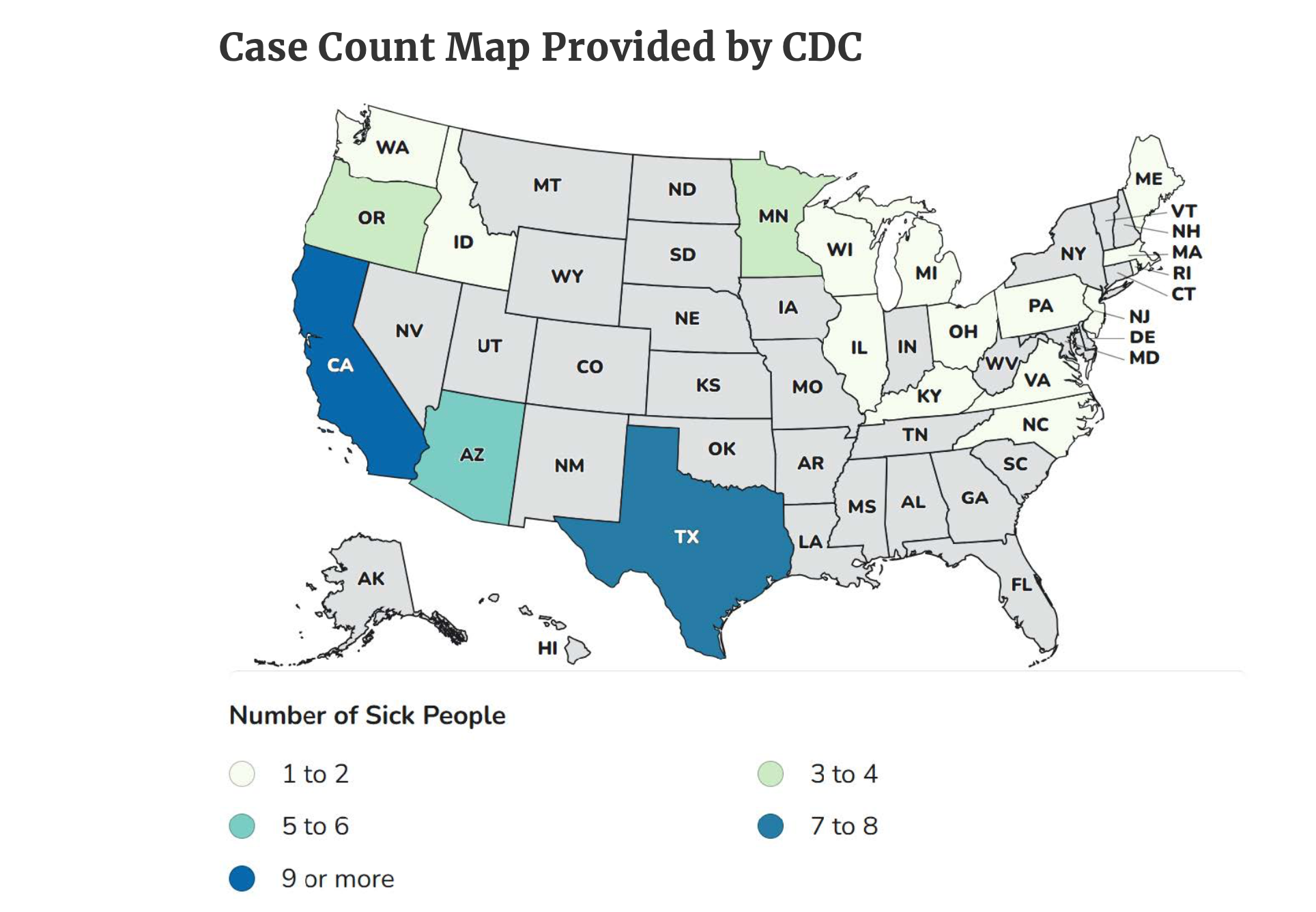
ByHeart has recalled all of its infant formula, but the FDA reports that some stores still have the product on their shelves. The agency did not report what stores were still selling the formula as of Dec. 23. In mid-December the FDA sent warning letters to four major retailers — Target, Walmart, Kroger and Albertsons — about selling the recalled formula.
Whole genome sequencing by government laboratories confirmed the presence of Clostridium botulinum toxin in ByHeart formula in late November. The toxin is what causes botulism poisoning. It was confirmed that the toxin in the formula matched that which was making babies sick.
The samples also match organic whole milk powder from a third-party supplier. The FDA and CDC did not report why they are not naming that supplier or whether the supplier provides product to other customers. On Dec. 23, 2025, ByHeart reported that its own testing showed six of 36 samples of finished product were contaminated with Clostridium botulinum.
“While these results advance FDA’s understanding of the outbreak, FDA’s investigation is ongoing to determine the source of contamination,” according to the FDA’s statement.
“The detection of Clostridium botulinum in infant formula, or ingredients, is complex, and confirmation of results can take several weeks. This in part is due to the heat-resistant spores which require special activation before they can be detected. Additionally, testing for C. botulinum in infant formula requires specialized testing and lab equipment. While initial screening tests are performed, a preliminary positive result requires confirmatory tests. This complex process can take two or more weeks for final results. There are a limited number of labs that have the specialized equipment and resources to conduct these tests, which further reduces testing capacity.”
Food safety attorney Bill Marler said there are many unanswered questions. First he would like the government to release the name of the powdered milk supplier.
"Where else did the supplier of whole milk powder implicated by the FDA in the ByHeart Botulism outbreak send its product?" Marler said. "Is that supplier linked to other infant botulism cases?"
About botulism
While a variety of illnesses can result from eating under-processed food, one of the most dangerous is botulism poisoning. Untreated, botulism can paralyze the muscles needed for breathing, resulting in sudden death.
Anyone who has eaten any of the recalled product and developed signs of botulism poisoning should immediately seek medical attention.
In foodborne botulism, symptoms generally begin 18 to 36 hours after eating contaminated food. However, symptoms can begin as soon as 6 hours after or up to 10 days later.
The symptoms of botulism may include some of all of the following: double vision, blurred vision, drooping eyelids, slurred speech, difficulty swallowing, difficulty breathing, a thick-feeling tongue, dry mouth, and muscle weakness. People with botulism poisoning may not show all of these symptoms at once.
If untreated, the disease may progress, and symptoms may worsen to cause paralysis of specific muscles, including those used in breathing and those in the arms, legs, and the body from the neck to the pelvis area.


