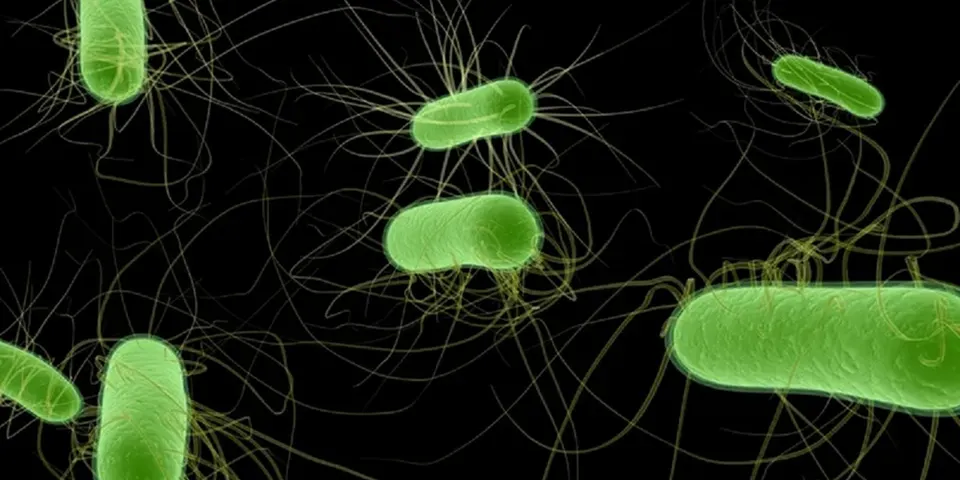
Health officials in Michigan have linked 23 confirmed Salmonella illnesses to a restaurant in Muskegon County, although they have declined to name it until they confirm the connection, according to the Grand Haven Tribune. Of the confirmed illnesses, 20 are in Muskegon County, and another three are in Ottawa County. At least three of the victims have been hospitalized. Each of the confirmed cases reportedly ate at the same restaurant before falling ill between Oct. 28 and Nov. 5.I nvestigators are looking at chicken and lettuce served at the restaurant as potential vectors. The Muskegon County public health director said the unnamed restaurant is cooperating with officials and does not appear to pose a continued public health threat.
The News Desk team at Food Safety News covers breaking developments, regulatory updates, recalls, and key topics shaping food safety today. These articles are produced collaboratively by our editorial staff.
This is part 1 of a 3-part series.
An unlicensed meat producer and poor hygiene at a restaurant played a role in a Salmonella outbreak in an Australian state,
Almost 500 people were sick in a major E. coli outbreak in Germany in 2025, according to recently released figures from a regional State Office for Health and Social Affairs.
The root cause of a large E. coli outbreak in the United Kingdom in 2024 remains unknown with authorities warning a re-emergence is possible.
Almost 300 people fell ill
Lidl US is recalling one lot of Gelatelli Coffee & Vanilla Gelato with Coffee Sauce & Cookie Pieces because testing showed contamination with Listeria monocytogenes.
The recalled product was distributed
Kayem Foods Inc., of Chelsea, MA, is recalling more than 1.5 million pounds of ready-to-eat (RTE) meat and poultry products because they may have experienced temperature abuse
Family Farmstead Dairy of Worcester, NY, is recalling some of its raw milk cheddar cheese because it may be contaminated with E. coli O157:H7 bacteria.
The product was distributed