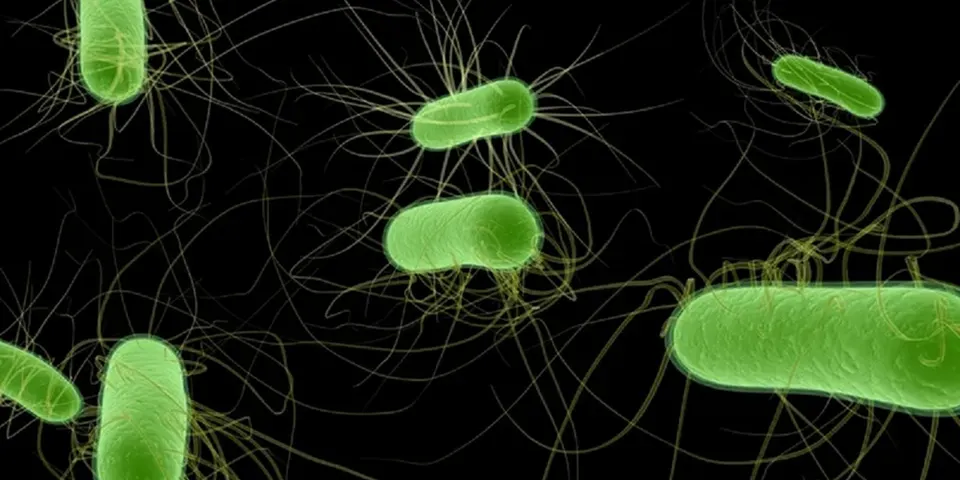
Eight people are sick with E. coli after eating at Jimmy John’s in the Denver metropolitan area. Fox 31 Denver reports that the victims ate at three area Jimmy John’s restaurants between Oct. 7 and 15. “We believe that their illness came from a produce item that was on those sandwiches that they ate,” Colorado Department of Public Health and Environment epidemiologist Alicia Cronquist, told the station. “Our leading hypothesis for what’s happened is that there was a contaminated produce item that was distributed to the stores.” She added that investigators have not identified any food-handling issues at the restaurants that would contribute to illness.
The News Desk team at Food Safety News covers breaking developments, regulatory updates, recalls, and key topics shaping food safety today. These articles are produced collaboratively by our editorial staff.
This is part 1 of a 3-part series.
An unlicensed meat producer and poor hygiene at a restaurant played a role in a Salmonella outbreak in an Australian state,
Almost 500 people were sick in a major E. coli outbreak in Germany in 2025, according to recently released figures from a regional State Office for Health and Social Affairs.
The root cause of a large E. coli outbreak in the United Kingdom in 2024 remains unknown with authorities warning a re-emergence is possible.
Almost 300 people fell ill
The Food and Drug Administration uses import alerts to enforce U.S. food safety regulations for food from foreign countries. The agency updates and modifies the alerts as needed.
Recent
Krasnyi Oktyabr Inc. of Brooklyn, NY, is voluntarily recalling STARFISH SEAFOOD PREMIUM COLD SMOKED NORWEGIAN SALMON SLICED because the product has tested positive for Listeria monocytogenes.
The STARFISH SEAFOOD PREMIUM
Lidl US is recalling one lot of Gelatelli Coffee & Vanilla Gelato with Coffee Sauce & Cookie Pieces because testing showed contamination with Listeria monocytogenes.
The recalled product was distributed