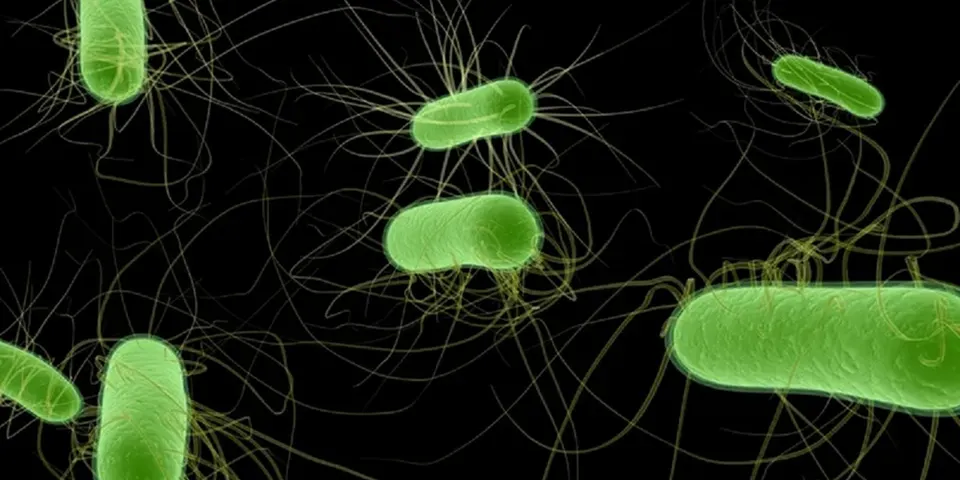
Two Oregonians have tested positive for a rare strain of Salmonella known as Salmonella overschie, according to the Oregon Health Authority Public Health Division. The first patient was a 28-year-old Coos County woman who fell ill in December. The second case was a minor in Lane County, which is separated from Coos County by Douglas County. The two patients developed their symptoms eight days apart. The state health department investigated the possible source of contamination, but couldn’t determine one before ending the investigation. Authorities say the strain has never before been reported in Oregon. Only 23 cases of Salmonella overschie were detected in the U.S. between 1995 and 2005, according to health officials. No new cases have surfaced since December. Salmonella overschie has been known of since at least 1961, when it was isolated from a patient in the Netherlands.
The News Desk team at Food Safety News covers breaking developments, regulatory updates, recalls, and key topics shaping food safety today. These articles are produced collaboratively by our editorial staff.
This is part 1 of a 3-part series.
An unlicensed meat producer and poor hygiene at a restaurant played a role in a Salmonella outbreak in an Australian state,
Almost 500 people were sick in a major E. coli outbreak in Germany in 2025, according to recently released figures from a regional State Office for Health and Social Affairs.
The root cause of a large E. coli outbreak in the United Kingdom in 2024 remains unknown with authorities warning a re-emergence is possible.
Almost 300 people fell ill
Family Farmstead Dairy of Worcester, NY, is recalling some of its raw milk cheddar cheese because it may be contaminated with E. coli O157:H7 bacteria.
The product was distributed
The Center for Science in the Public Interest is scaling up its food safety efforts with the creation of a new position beginning in January 2027.
The Campaign Manager will
A major pork company in China has announced two of its directors have been fined as part of an investigation into breaches of food safety rules.
WH Group, which also
Meat plants have been told not to make any products for export to the United States because of strike action in Ireland.
Industrial action by public sector workers is planned