
Investigators from the Food and Drug Administration are looking into a new outbreak of Salmonella Newport infections traced to moringa powder capsules.
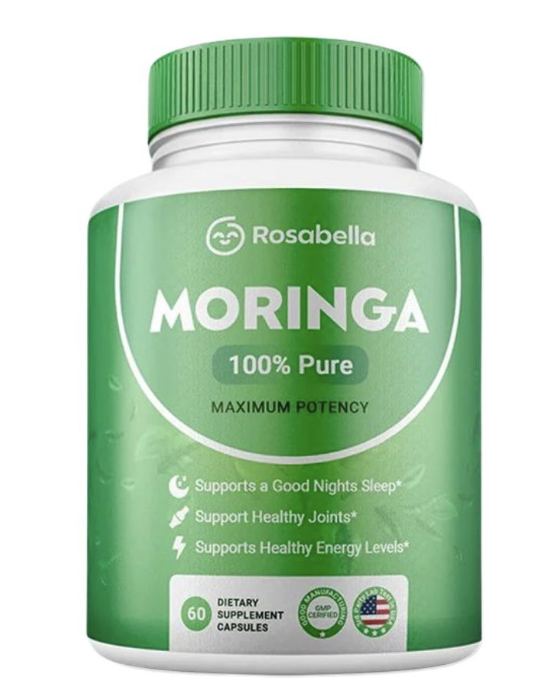
The implicated capsules are sold under the Rosabella brand. The moringa was distributed by Ambrosia Brands LLC. There is great concern that consumers may have the moringa capsules in their homes because of their long shelf life, which stretches into late 2027.
This outbreak is separate from and outbreak of Salmonella Richmond infections traced to Member’s Mark and other brands of moringa.
The new outbreak has sickened seven people from seven states. Illnesses started on dates ranging from Nov. 7, 2025, to Jan. 8 this year. Three of the patients have required hospitalization, which is a high percentage for Salmonella outbreaks. No deaths have been reported. The sick people live in Arizona, Florida, Iowa, Illinois, Indiana, Tennessee and Washington.
This outbreak is of particular interest because the strain of Salmonella causing the illnesses is resistant to all first-line antibiotics commonly recommended for the treatment of Salmonella infections.
The FDA has recommended that Ambrosia Brands LLC recall all Rosabella-brand moringa powder capsules from the market. The firm has agreed to conduct a recall only of certain lots. Please see the table below for a complete list of lot codes and expirations dates of potentially contaminated product.
The FDA is conducting a traceback investigation to determine a source of contamination and is working with state partners to collect samples.
The previous outbreak of Salmonella Richmond infections linked to other brands of moringa leaf powder and capsules sickened 65 people across 28 states. Fourteen of the patients required hospitalization.
Lot | Expiration Date |
5020591 | 03/2027 |
5020592 | 03/2027 |
5020593 | 03/2027 |
5020594 | 03/2027 |
5020595 | 03/2027 |
5020596 | 03/2027 |
5030246 | 04/2027 |
5030247 | 04/2027 |
5030248 | 04/2027 |
5030249 | 04/2027 |
5030250 | 04/2027 |
5030251 | 04/2027 |
5040270 | 05/2027 |
5040271 | 05/2027 |
5040272 | 05/2027 |
5040273 | 05/2027 |
5040274 | 05/2027 |
5040275 | 05/2027 |
5040276 | 05/2027 |
5040277 | 05/2027 |
5040278 | 05/2027 |
5040279 | 05/2027 |
5050053 | 6/2027 |
5050054 | 6/2027 |
5050055 | 6/2027 |
5050056 | 6/2027 |
5060069 | 07/2027 |
5060070 | 07/2027 |
5060071 | 07/2027 |
5060072 | 07/2027 |
5060073 | 07/2027 |
5060074 | 07/2027 |
5060075 | 07/2027 |
5060076 | 07/2027 |
5060077 | 07/2027 |
5060078 | 07/2027 |
5060079 | 07/2027 |
5060080 | 07/2027 |
5080084 | 9/2027 |
5080085 | 9/2027 |
5080086 | 9/2027 |
5090107 | 10/2027 |
5090108 | 10/2027 |
5090109 | 10/2027 |
5090113 | 10/2027 |
5090114 | 10/2027 |
5090115 | 10/2027 |
5090116 | 10/2027 |
5090117 | 10/2027 |
5090118 | 10/2027 |
5100039 | 11/2027 |
5100048 | 11/2027 |
About Salmonella infections
Food contaminated with Salmonella bacteria does not usually look, smell, or taste spoiled. Anyone can become sick with a Salmonella infection. Infants, children, seniors, and people with weakened immune systems are at higher risk of serious illness because their immune systems are fragile, according to the CDC.
Anyone who has eaten any of the recalled product and developed symptoms of Salmonella infection should seek medical attention. Sick people should tell their doctors about the possible exposure to Salmonella bacteria because special tests are necessary to diagnose salmonellosis. Salmonella infection symptoms can mimic other illnesses, frequently leading to misdiagnosis.
Symptoms of Salmonella infection can include diarrhea, abdominal cramps, and fever within 12 to 72 hours after eating contaminated food. Otherwise, healthy adults are usually sick for four to seven days. In some cases, however, diarrhea may be so severe that patients require hospitalization.
Older adults, children, pregnant women, and people with weakened immune systems, such as cancer patients, are more likely to develop a severe illness and serious, sometimes life-threatening conditions.
Some people get infected without getting sick or showing any symptoms. However, they may still spread the infections to others.


