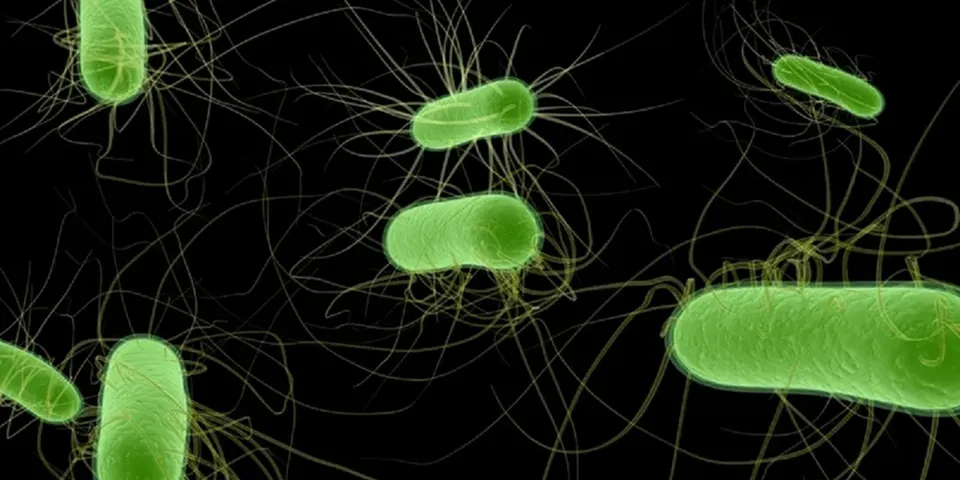
A Salmonella outbreak in Hopkins County, Kentucky, has killed one person and caused another seven confirmed illnesses. The cause of the outbreak is still unknown, according to county health officials. Investigators have begun interviewing victims to see where or what they might have eaten in the days leading up to their illnesses. Officials from the health department tell TristateHomepage.com they hope to determine the cause in the coming weeks. Often in cases like this, investigators don’t have enough information to definitively identify an outbreak source. Symptoms of Salmonella infection include diarrhea, fever and abdominal cramping. They generally develop 12 to 72 hours after exposure, and last between four and seven days.
The News Desk team at Food Safety News covers breaking developments, regulatory updates, recalls, and key topics shaping food safety today. These articles are produced collaboratively by our editorial staff.
This is part 1 of a 3-part series.
An unlicensed meat producer and poor hygiene at a restaurant played a role in a Salmonella outbreak in an Australian state,
Almost 500 people were sick in a major E. coli outbreak in Germany in 2025, according to recently released figures from a regional State Office for Health and Social Affairs.
The root cause of a large E. coli outbreak in the United Kingdom in 2024 remains unknown with authorities warning a re-emergence is possible.
Almost 300 people fell ill
The County of San Luis Obispo, CA, Department of Public Health has confirmed five cases of Shiga toxin-producing E. coli infection and is investigating a potential link to Brookshire
Taylor Farms of Dallas, TX, is recalling H-E-B Backyard BBQ Chop Salad kits due to the potential undeclared soy and almonds.
People who have sensitivity or allergy to
The FDA has issued a public warning about Darwin’s Natural Pet Products Natural Selections Chicken Recipe for Cats because is has tested positive for Salmonella.
A consumer filed a
In the past, physical damage or defects — such as those caused by machines, freezes or pests — were typically viewed separately from food safety risks.