Last month, Bloomberg News profiled 28-year-old Wu Heng, the creator of a Wikipedia-like website for food safety violations in China. The article described how Wu felt victimized after discovering that pork can be chemically treated to look and taste just like beef, and he went on to start “Throwing It Out the Window,” a public encyclopedia where anyone can post information from government websites and media investigations into safety violations. The site began in 2011 and it now has more than 3,000 accounts of potentially unsafe food. It reportedly draws about 5,000 visitors each day who can look up violations by product and province. In August, 17 men were charged with selling poison-laden dog meat and 38 people were arrested on suspicion of making or selling chicken feet contaminated with hydrogen peroxide solutions in East China’s Zhejiang Province. In September, Chinese authorities in Shanghai arrested six officials and employees from a subsidiary of the U.S. food supplier OSI Group in connection with the scandal involving expired meat served at a number of Western fast-food chain franchises in China. “Throwing It Out the Window” may not change how the market operates, but Wu told Bloomberg that it helps people know what they might really be eating. When friends ask him how to avoid fake or dangerous food, Wu said he tells them to avoid shopping at mobile stalls, pay regular prices, and “rotate their poison” — consume a variety of foods so that toxins in any particular fare don’t build up in the body.
The News Desk team at Food Safety News covers breaking developments, regulatory updates, recalls, and key topics shaping food safety today. These articles are produced collaboratively by our editorial staff.
The Food Standards Agency (FSA) has published six pieces of research relating to efforts to reduce Campylobacter in chicken meat.
The papers cover interventions applied at slaughterhouses, in the supply
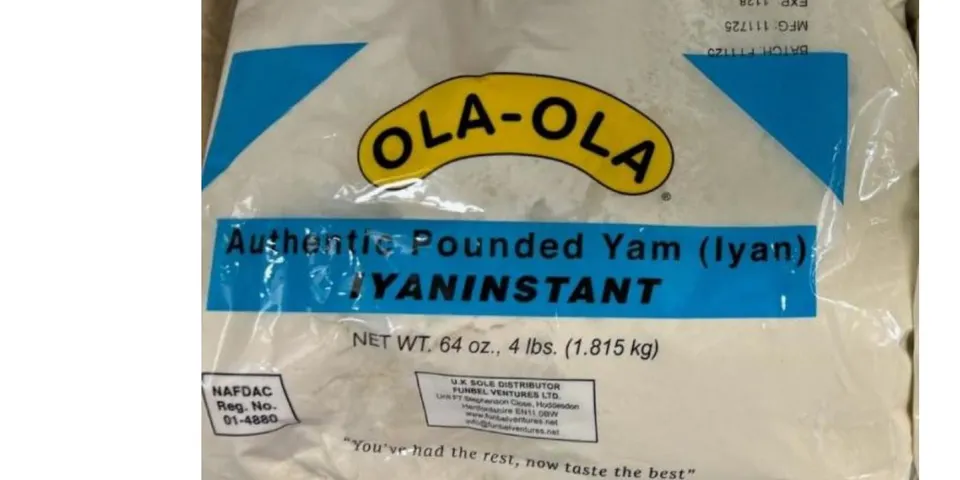
Fayus Inc., doing business as Yusol International Foods of Sacramento, CA, is recalling OLA-OLA POUNDED YAM because the product may contain undeclared milk in the form of sodium caseinate,
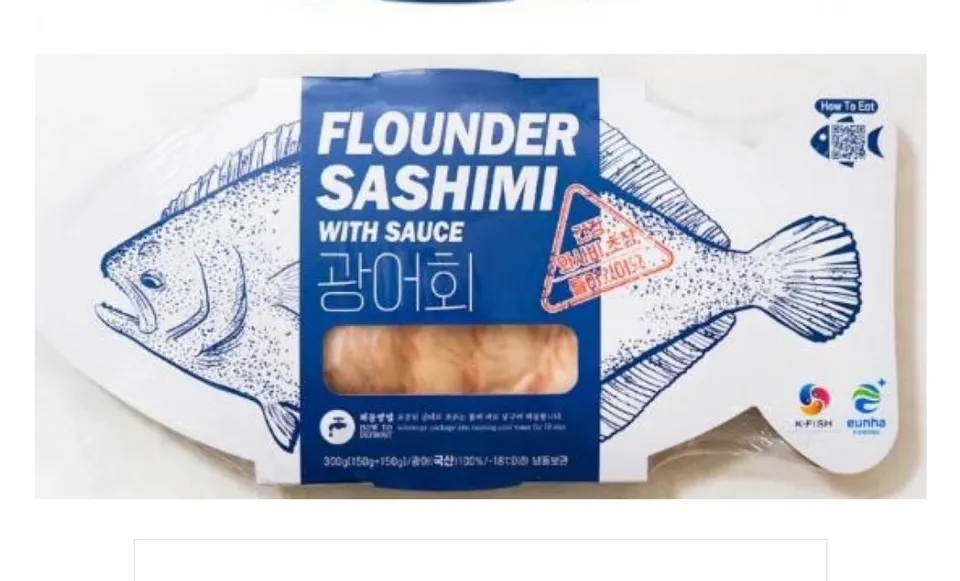
Eunha Fisheries Co. Ltd. of Busan, Republic of Korea, is recalling certain Sliced Korean Halibut and Flounder Sashimi products because the accompanying soy sauce and vinegar red pepper paste packets
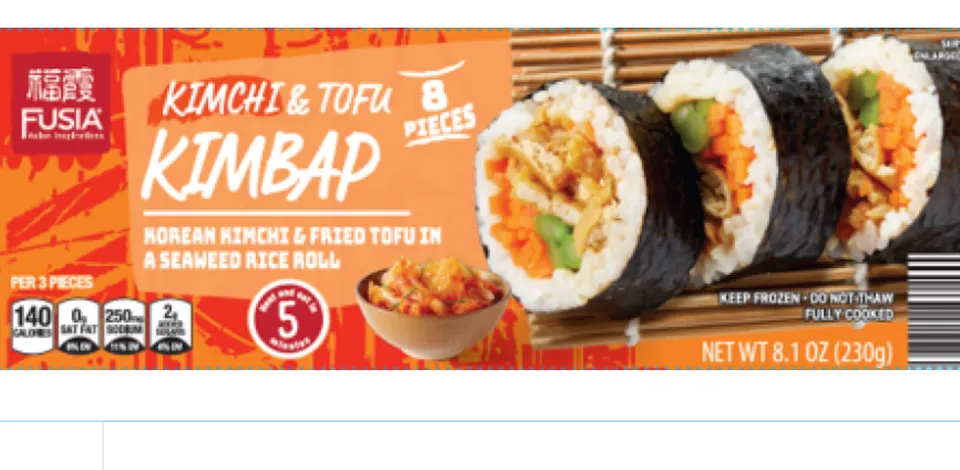
Gellert Global Group of Elizabeth, NJ, is recalling 8.1 oz packages of ALDI Brand Fusia Asian Inspirations Kimchi & Tofu Kimbap because they may contain undeclared tuna.
People who
The CDC is tracking a summer surge of Cyclospora infections. As of its June 18 surveillance update, CDC has logged 145 cases acquired in the United States across 17 states,