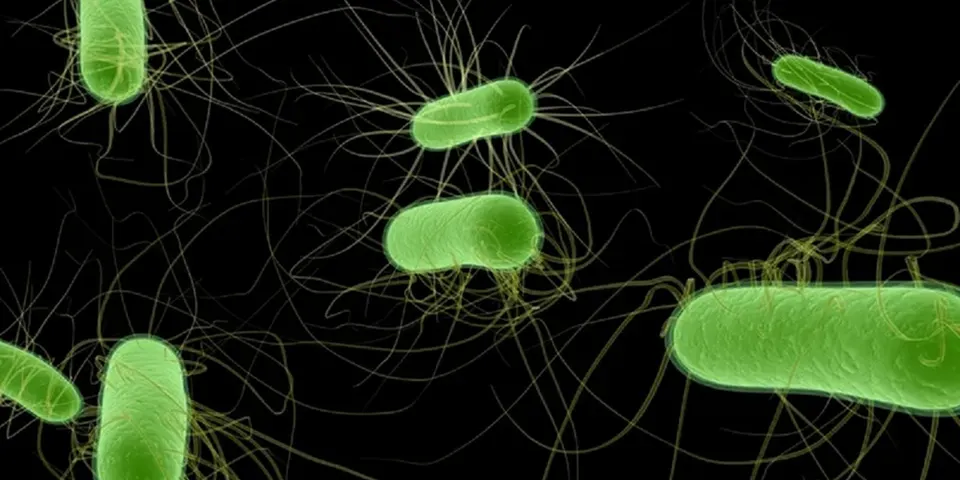
The Mount Nittany Medical Center in State College, PA, has confirmed two cases of E. coli in the area. One reportedly involves a local high-school student, but no information was available on the other. It has been identified as enterohemorrhagic E. coli, a Shiga toxin-producing strain. The two E. coli cases have been reported to the Pennsylvania Department of Health as required, but no further information on the individuals involved has been released. Symptoms of E. coli infection include severe stomach cramps, diarrhea and vomiting. E. coli infection can progress to a life-threatening situation if the person develops hemolytic-uremic syndrome (HUS). For more information on E. coli infection, see the CDC website at: www.cdc.gov/ecoli.
The News Desk team at Food Safety News covers breaking developments, regulatory updates, recalls, and key topics shaping food safety today. These articles are produced collaboratively by our editorial staff.
This is part 1 of a 3-part series.
An unlicensed meat producer and poor hygiene at a restaurant played a role in a Salmonella outbreak in an Australian state,
Almost 500 people were sick in a major E. coli outbreak in Germany in 2025, according to recently released figures from a regional State Office for Health and Social Affairs.
The root cause of a large E. coli outbreak in the United Kingdom in 2024 remains unknown with authorities warning a re-emergence is possible.
Almost 300 people fell ill
Wild West Seed Inc. is recalling almost 10,000 pounds of broccoli sprouting seeds because of Salmonella contamination.
The Albany, OR, firm reports that 9,476 pounds of its Broccoli
The Food and Drug Administration uses import alerts to enforce U.S. food safety regulations for food from foreign countries. The agency updates and modifies the alerts as needed.
Recent
Krasnyi Oktyabr Inc. of Brooklyn, NY, is voluntarily recalling STARFISH SEAFOOD PREMIUM COLD SMOKED NORWEGIAN SALMON SLICED because the product has tested positive for Listeria monocytogenes.
The STARFISH SEAFOOD PREMIUM