Another day, another ruling on the so-called country-of-origin labeling (COOL) of muscle cuts of meat.
The latest is a decision by the U.S Court of Appeals for the District of Columbia Circuit not to rehear the dispute. That means, unless the U.S. Supreme Court takes up the issue, that domestic courts are fine with U.S. Department of Agriculture rules that require producers to keep track and report on the label on the birthplace, residence, and location at passing for each hunk of meat sold at retail in the U.S. regardless of the burden or cost. However, the World Trade Organization sees those very provisions as illegal non-tariff barriers to trade. Canada and Mexico recently won another round of WTO rulings that many manufacturers and agricultural interests fear will allow those countries to impose crippling retaliatory tariffs on U.S. exports. It means instead of just being a regulatory cost falling on the meat industry and its consumers, COOL could result in Canada and Mexico being able to collect billions of dollars of extra tariffs or taxes from a wide variety of U.S. industries. WTO may impose such tariffs to punish countries that violate their trade agreements. That’s caused a broad coalition of the U.S. manufacturing and agricultural industry to begin lobbying Congress for changes that to make COOL WTO compliant before early next year when those tariffs might become a reality. Original supporters of COOL, including the Farm Bureau and United Stockgrowers of America, are buoyed by its support from domestic judges and oppose changes to accommodate WTO.
The News Desk team at Food Safety News covers breaking developments, regulatory updates, recalls, and key topics shaping food safety today. These articles are produced collaboratively by our editorial staff.
The European Commission has assessed histamine controls in fishery products with training highlighted as one of the major problems.
Histamine toxicity, also known as scombroid poisoning, is associated with consumption
The Food Standards Agency (FSA) has published six pieces of research relating to efforts to reduce Campylobacter in chicken meat.
The papers cover interventions applied at slaughterhouses, in the supply
The Belgian food agency’s annual report was released recently and highlighted a fatal E. coli outbreak and revealed food fraud cases.
The Federal Agency for the Safety of the
The Food and Drug Administration uses import alerts to enforce U.S. food safety regulations for food from foreign countries. The agency updates and modifies the alerts as needed.
Recent
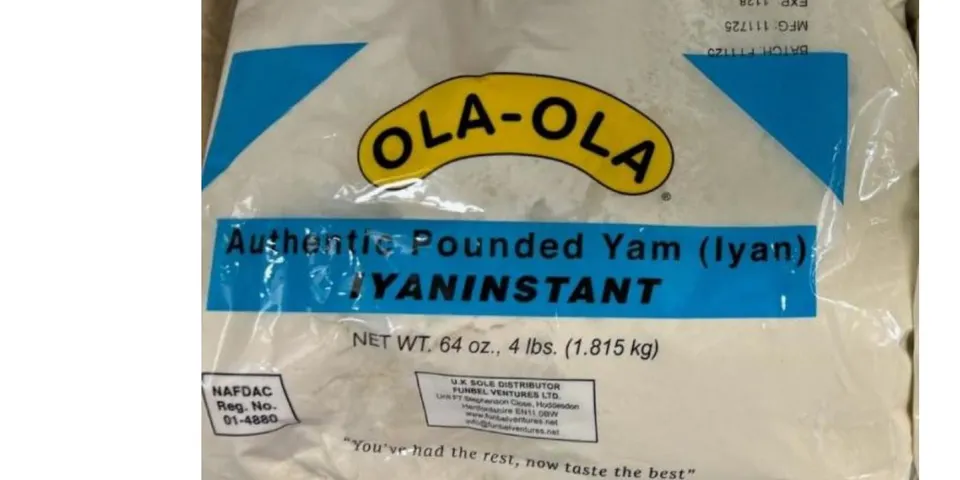
Fayus Inc., doing business as Yusol International Foods of Sacramento, CA, is recalling OLA-OLA POUNDED YAM because the product may contain undeclared milk in the form of sodium caseinate,
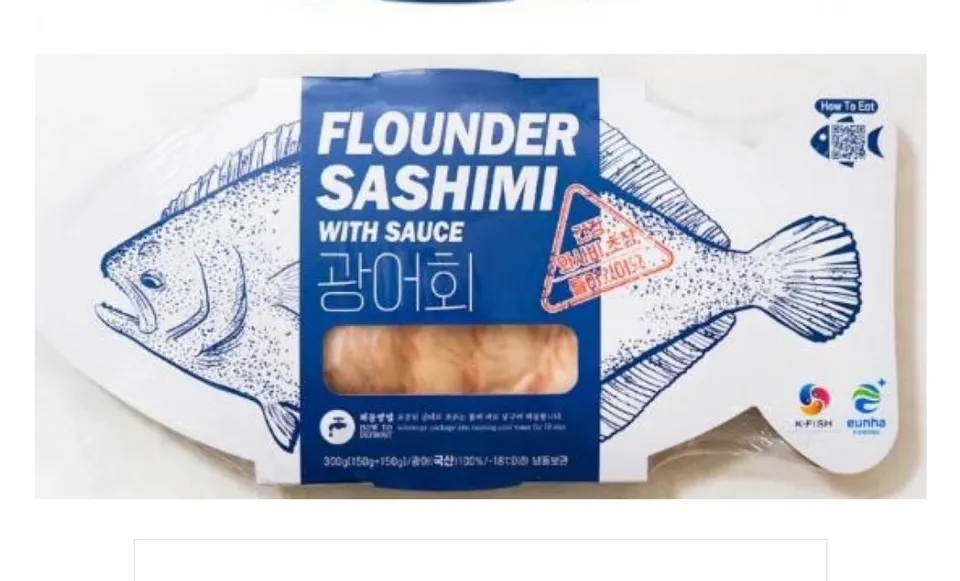
Eunha Fisheries Co. Ltd. of Busan, Republic of Korea, is recalling certain Sliced Korean Halibut and Flounder Sashimi products because the accompanying soy sauce and vinegar red pepper paste packets
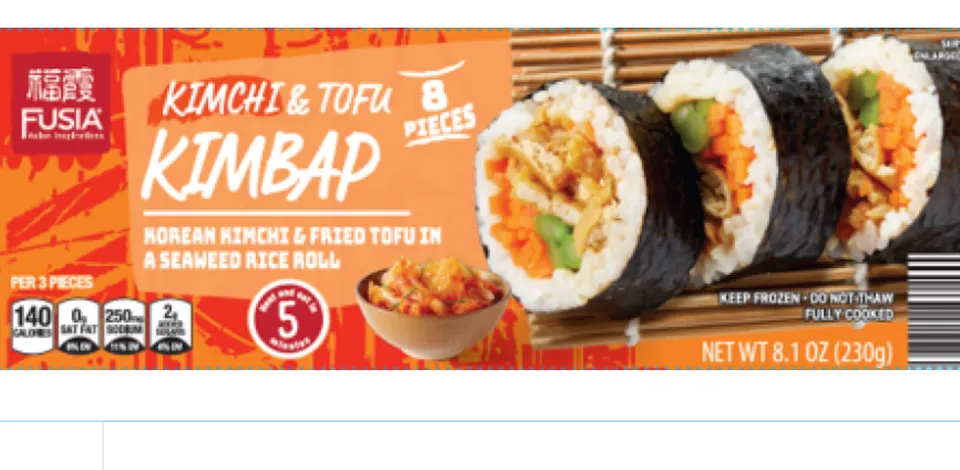
Gellert Global Group of Elizabeth, NJ, is recalling 8.1 oz packages of ALDI Brand Fusia Asian Inspirations Kimchi & Tofu Kimbap because they may contain undeclared tuna.
People who