Researchers at Harvard University are developing a medical device designed to mimic the human spleen in order to fight a variety of deadly pathogens, including everything from E. coli to Ebola, according to The Washington Post. So far, the device — called the biospleen — has proven effective at filtering at least 90 different ailments out of blood, including bacteria and fungi associated with foodborne illness. It works by filtering infected blood using magnetic nanobeads coated with a human protein that has been genetically engineered to be optimized for fighting pathogens. The cleansed blood then gets returned back to the patient. In rats infected with Staphylococcus aureus or E. coli, the device filtered 90 percent of the bacteria out of their blood, reduced pathogen and immune cell infiltration in multiple organs, and decreased inflammation levels. In fact, 89 percent of rats treated with the device survived, while only 14 percent of rats survived who did not receive the treatment. The biospleen could be a major turning point in the treatment of deadly diseases such as E. coli that can overwhelm the immune system.
The News Desk team at Food Safety News covers breaking developments, regulatory updates, recalls, and key topics shaping food safety today. These articles are produced collaboratively by our editorial staff.
Poor hygiene, unsafe food handling practices, and a reliance on untrained food handlers may be placing vulnerable patients at some psychiatric hospitals at risk of foodborne illnesses, according to researchers
Researchers have described how climate change could have an impact on Salmonella and antimicrobial resistance.
Scientists analyzed more than 236,700 Salmonella genomes from 139 countries or regions over the
The Gates Foundation has called for proposals to create estimates of the global burden of diarrheal diseases, with a focus on children younger than 5 living in low- and middle-
The Food and Drug Administration uses import alerts to enforce U.S. food safety regulations for food from foreign countries. The agency updates and modifies the alerts as needed.
Recent
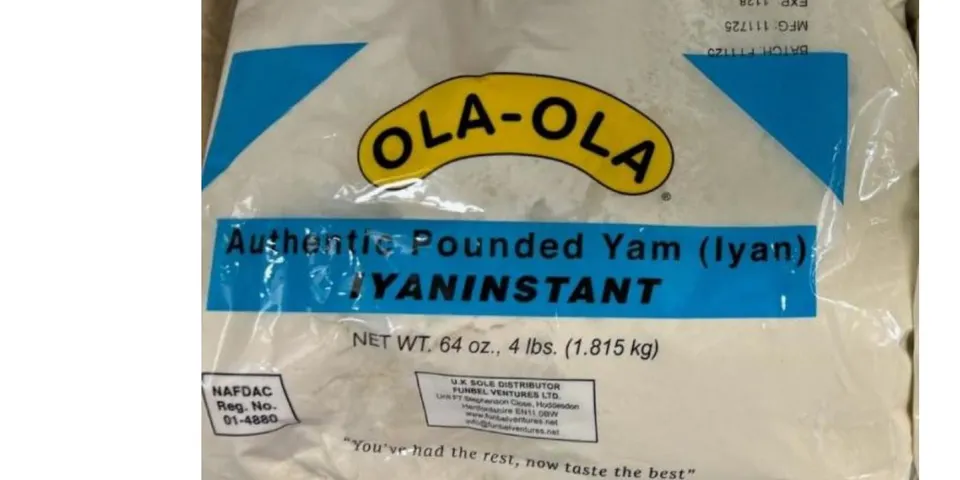
Fayus Inc., doing business as Yusol International Foods of Sacramento, CA, is recalling OLA-OLA POUNDED YAM because the product may contain undeclared milk in the form of sodium caseinate,
Eunha Fisheries Co. Ltd. of Busan, Republic of Korea, is recalling certain Sliced Korean Halibut and Flounder Sashimi products because the accompanying soy sauce and vinegar red pepper paste packets
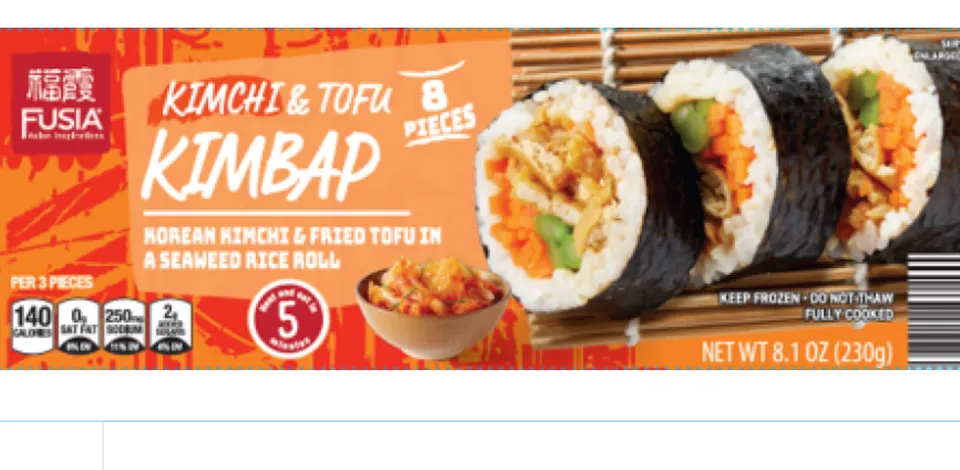
Gellert Global Group of Elizabeth, NJ, is recalling 8.1 oz packages of ALDI Brand Fusia Asian Inspirations Kimchi & Tofu Kimbap because they may contain undeclared tuna.
People who